Collection: KOKESHI
🎎 Adopt your Kokeshi.
Each doll is a soul carved in the heart of traditional Japan.
Kokeshi, traditional Japanese wooden dolls, are a concentrate of elegance and craftsmanship from the Tohoku region. Each old and authentic Kokeshi tells a story, with its refined, carved, and hand-painted shape.
Each Kokeshi is unique—only one piece available.
Let your heart speak before they disappear.
New Kokeshi added every week!

-

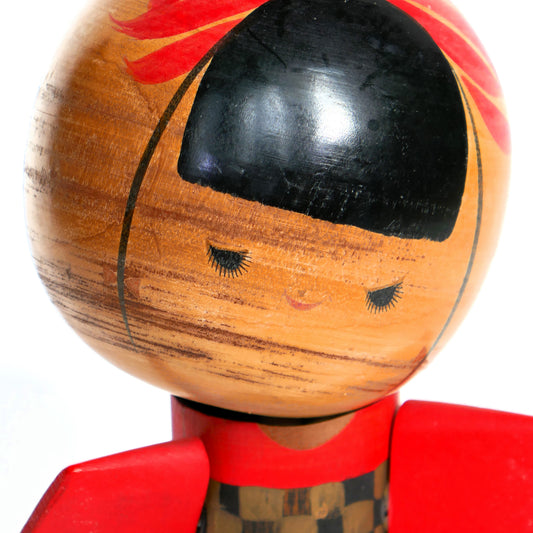
Vintage Japanese Kokeshi - Sōsaku style red kimono – signed Sansaku Sekiguchi (関口三作) – 17 cm
Regular price 79 EURRegular price -
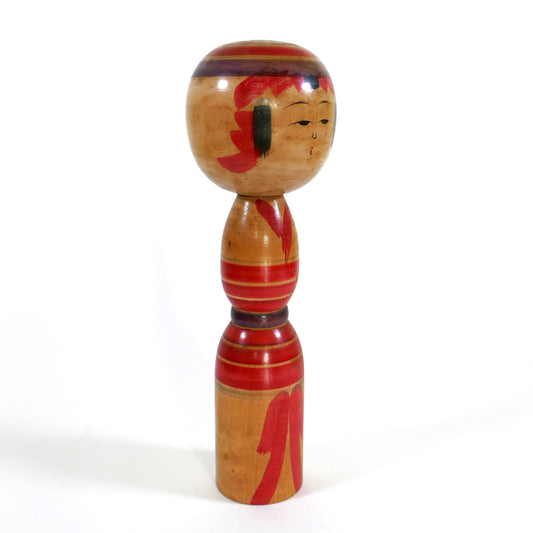
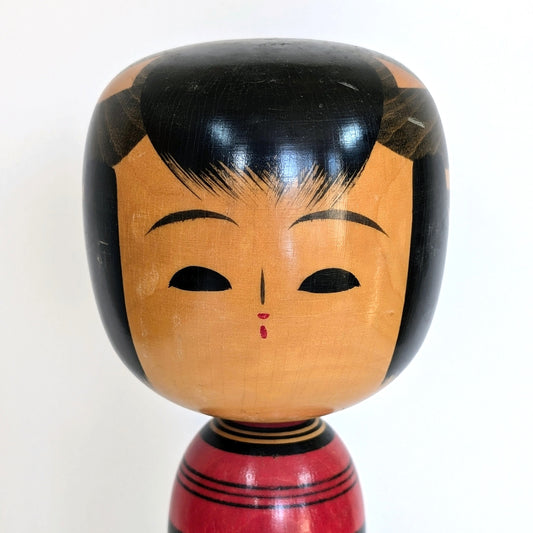
Vintage Japanese Kokeshi – Naruko style – Signed Honda Isao – 22 cm
Regular price 35 EURRegular price -
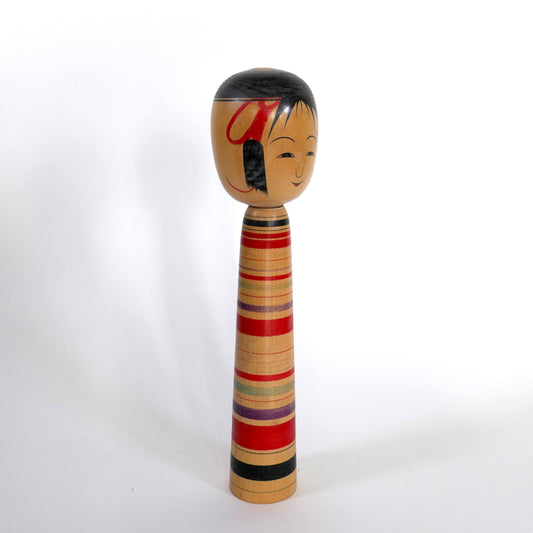
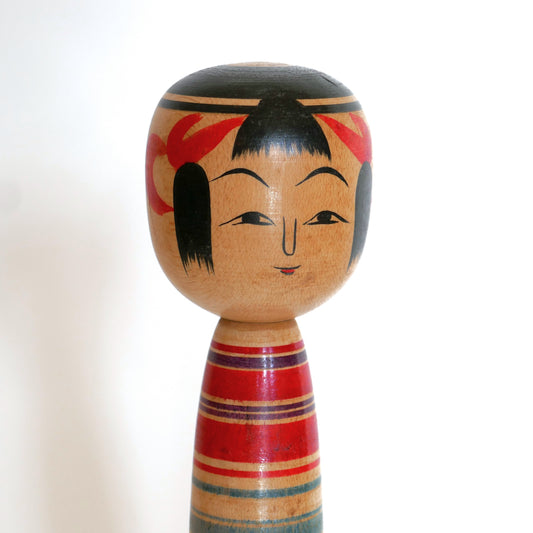
Vintage Japanese Kokeshi – Striped Tsuchiyu Style – Signed Tokunaga Shin'ichi – 26 cm
Regular price 48 EURRegular price -
Vintage Japanese Kokeshi – Omiyage お土産 – Iwasaki – Temple, red bridge & poem – 30 cm
Regular price 48 EURRegular price -
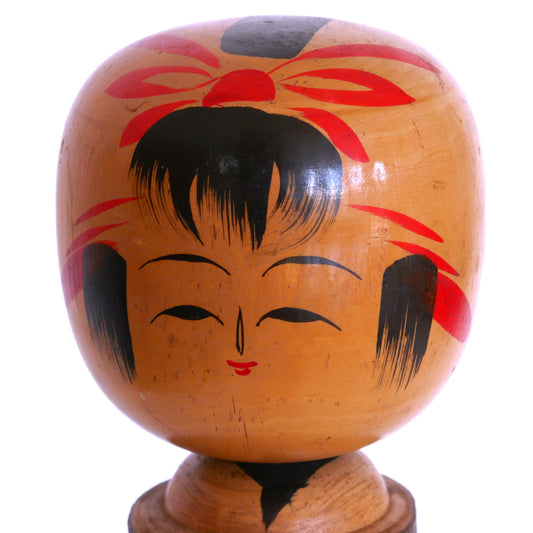
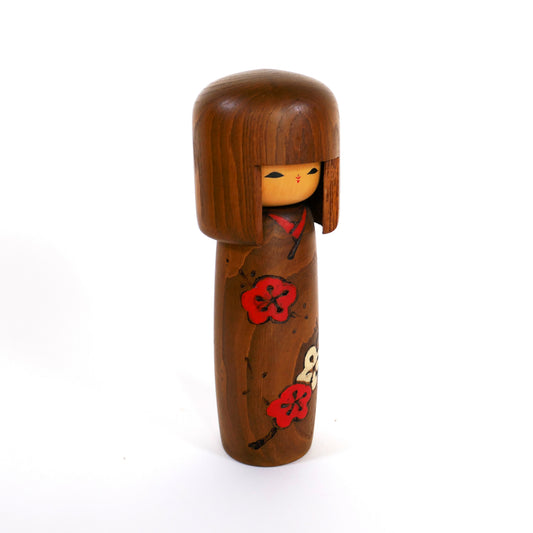
Japanese Kokeshi – Sosaku creative plum blossoms by Tanaka Shigemi aka Kojo (田中晃常) - 15 cm
Regular price 50 EURRegular price -
Vintage Japanese Kokeshi - Yajirō style - signed Niiyama Fukuo (新山福雄) - 25 cm
Regular price 55 EURRegular price -
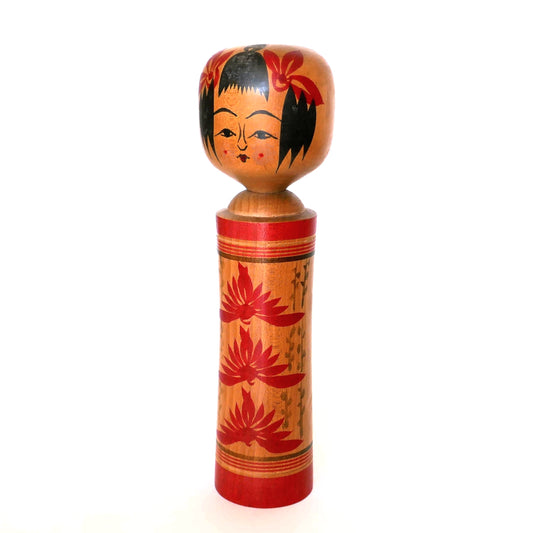
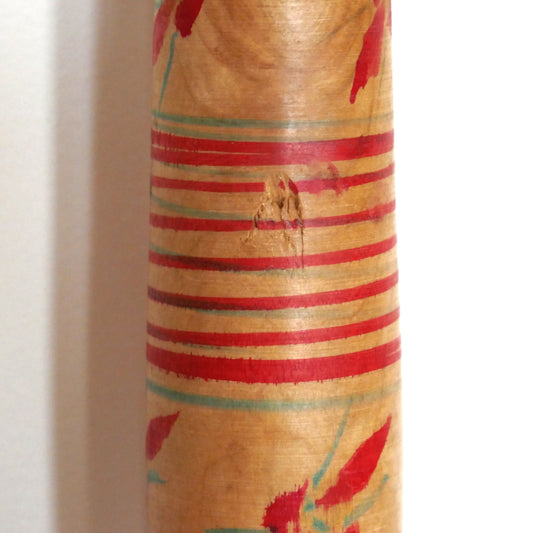
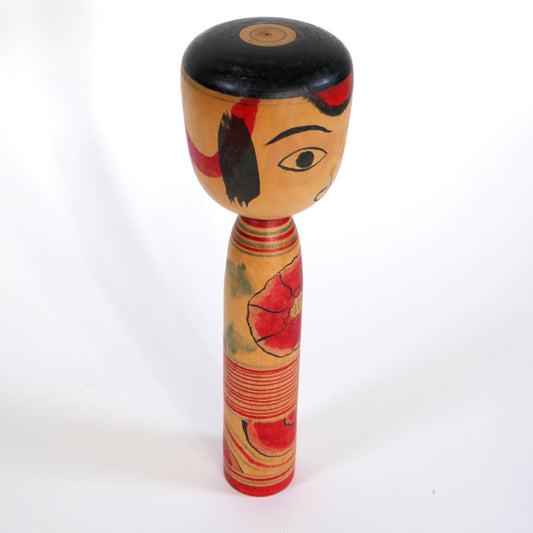
Vintage Japanese Kokeshi - Nakanosawa style red flowers – signed Iwamoto Yoshizō – 21 cm
Regular price 59 EURRegular price -
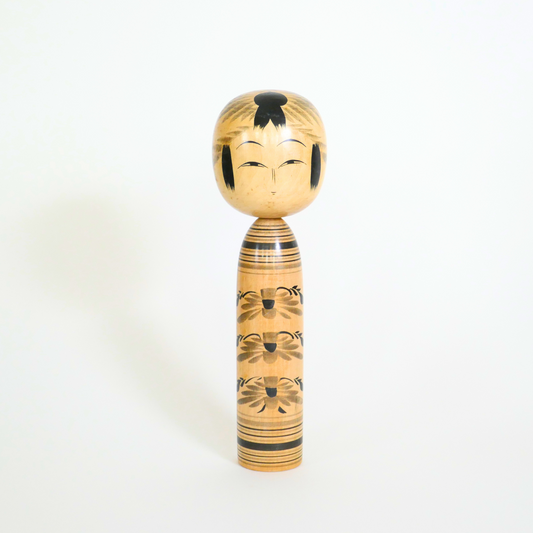
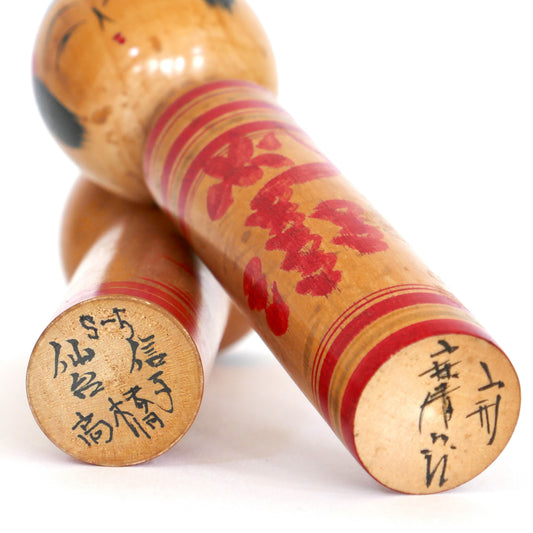
Vintage Japanese Kokeshi – Tôgatta style black and gray – signed Murakami Tamajirō – 25 cm
Regular price 42 EURRegular price -
Vintage Japanese Kokeshi - Tsuchiyu Style - Signed Watanabe Sadami (渡辺定巳) - 21 cm
Regular price 42 EURRegular price -
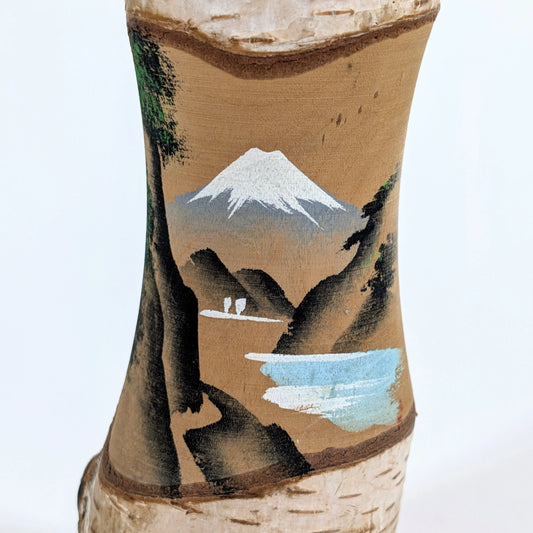
Vintage Japanese Kokeshi – Omiyage お土産 – Mount Fuji & Lake Region – 24cm
Regular price 39 EURRegular price -
Vintage Japanese Kokeshi – Shingata style – signed Sasaki Katsumi 佐々木 克巳 – 30 cm
Regular price 69 EURRegular price -
Vintage Japanese Kokeshi – omiyage style – Nikkô souvenir – 22 cm
Regular price 29 EURRegular price -
Vintage Japanese Kokeshi Dolls – Togatta & Yamagata styles – signed Ogasawara Nobuko & Kobayashi Seijirō – 18 cm
Regular price 45 EURRegular price -

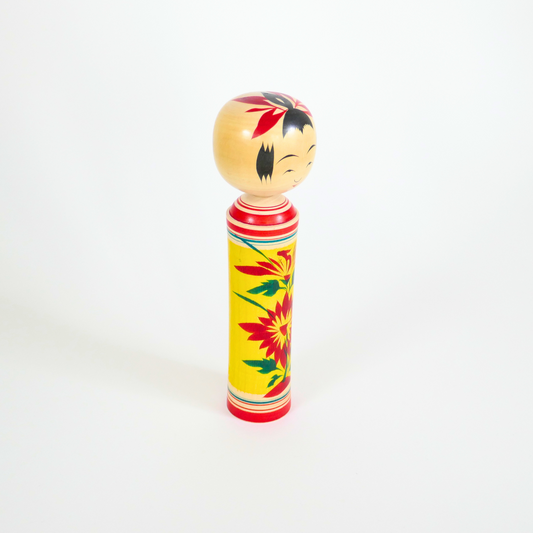 Sold out
Naruko style kokeshi
Regular price 25 EURRegular price -
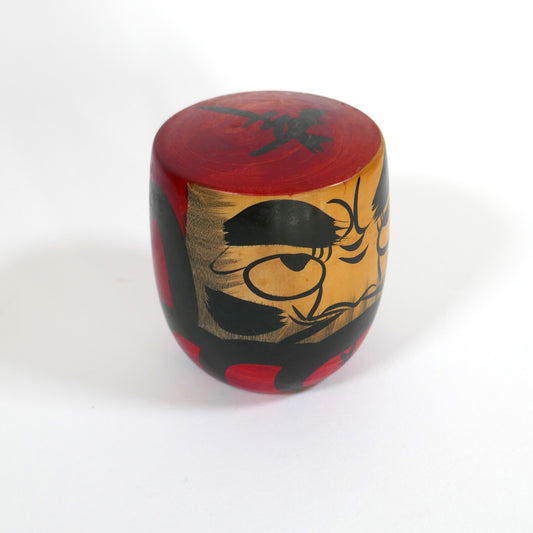
Vintage Japanese Kokeshi – Daruma style lucky charm – signed – 9 cm
Regular price 53 EURRegular price59 EURSale price 53 EURSold out -
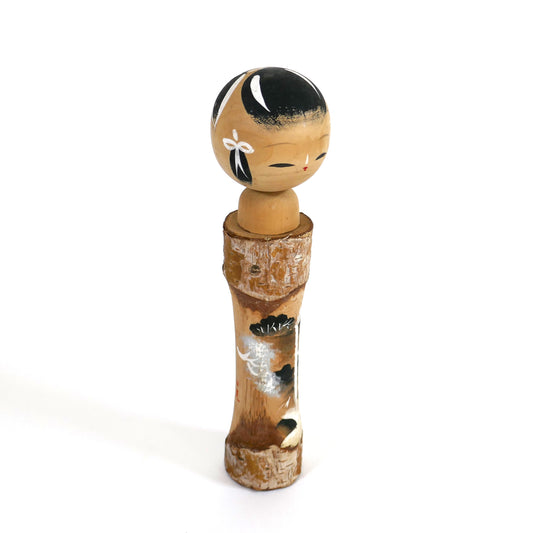
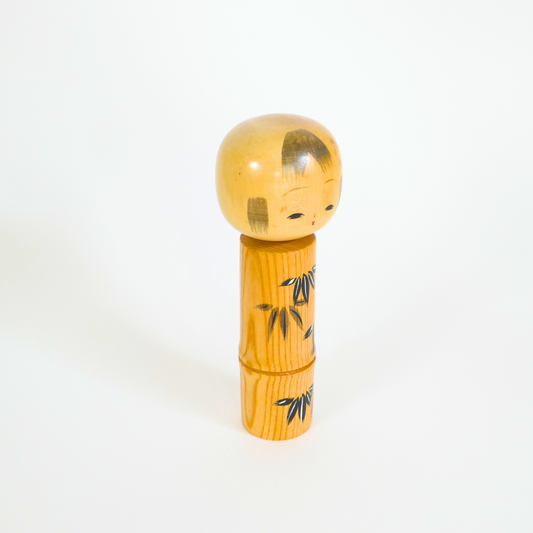
Vintage Japanese Kokeshi – creative Sosaku style bamboo – signed Sato Masuo – 18 cm
Regular price 35 EURRegular price -
Kokeshi Sosaku style plum blossoms – Usaburo Okamoto – 18 cm
Regular price 69 EURRegular price -
Vintage Japanese Kokeshi - Nakanosawa peony style - signed Iwamoto Yoshizō - 21 cm
Regular price 69 EURRegular price